Help & Guidance
What Is Subsidence?
A complete guide to understanding subsidence — what causes it, how to identify it, and what steps you should take to protect your property.
Understanding Subsidence
Subsidence is the downward movement of the ground beneath a building, causing the foundations to drop and the structure above to shift. This movement leads to cracking, distortion, and in severe cases, structural failure.
It differs from settlement, which is the natural compaction of soil under the weight of a new building. Subsidence occurs when ground conditions change after construction — due to moisture loss, underground voids, or changes to the water table.
In West Yorkshire, subsidence risk varies across the region due to diverse geology — from clay soils in low-lying areas to the coal mining legacy beneath many towns.
Common Causes of Subsidence
Clay Shrinkage
Clay soils shrink in dry weather and swell when wet, causing cyclical ground movement beneath foundations.
Tree Root Damage
Large trees near buildings extract moisture from the soil, causing it to dry out and shrink, particularly in clay ground.
Mine Workings
Historical mining activity — common across West Yorkshire — can create underground voids that collapse over time.
Leaking Drains
Water from broken drains can wash away or soften the ground beneath foundations, leading to localised subsidence.
Climate Change
Increasingly hot, dry summers cause more severe clay shrinkage, putting more properties at risk than ever before.
Poor Original Foundations
Older properties may have shallow foundations that are vulnerable to seasonal ground movement.
Signs of Subsidence
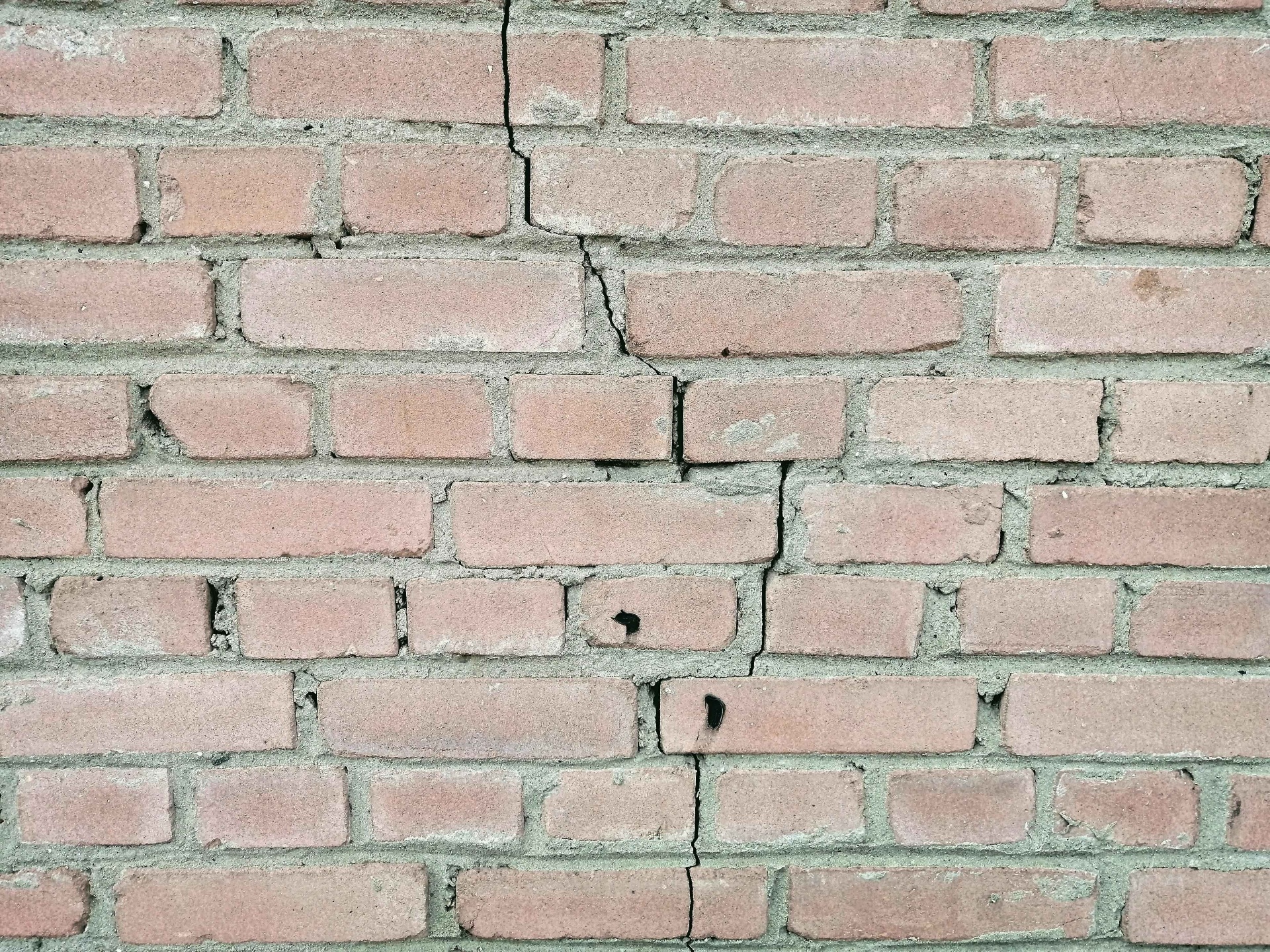
Diagonal cracks
Usually wider at the top than the bottom, appearing around doors and windows. Cracks wider than 3mm are a particular concern.
Doors and windows sticking
Frames distort as the building shifts, making them difficult to open or close.
Rippling or crinkling wallpaper
Can indicate underlying wall movement, even without visible cracks.
Sloping or uneven floors
A sign that foundation movement is affecting the ground floor structure.
Gaps between walls and skirting boards
Separation between internal finishes can indicate structural movement.
External cracks at weak points
Look for cracking where extensions meet the main building, or at corners.
What Should You Do?
1. Don't panic. Many cracks are cosmetic or caused by normal settlement. A professional survey will confirm whether subsidence is the cause.
2. Document the damage. Take photographs and note when you first spotted the issue. This helps both engineers and insurers.
3. Contact a specialist. A qualified ground engineer can carry out a proper investigation and advise on next steps.
4. Notify your insurer. If subsidence is suspected, let your buildings insurer know as early as possible. Read our insurance claims guide →
5. Avoid DIY fixes. Filling cracks without addressing the underlying cause will only mask the problem temporarily.
Concerned About Subsidence?
Get a free, no-obligation property survey from our specialist ground engineering team.
Get Free Survey